
Mindcool – The World’s First Hybrid Mindfulness Platform
In today’s fast-paced world, it often feels like there’s never enough time. The constant pressure to be the best, to do everything perfectly even when it’s impossible, can easily make us forget about our own well-being. We find ourselves running a race we never even signed up for, driven not by choice but by society’s expectations and unspoken rules. Over time, this has taught us to ignore our bodies
We wake up tired, push through deadlines, scroll endlessly on our phones, and shrug off the warning signs our bodies are sending headaches that won’t go away, tense shoulders, or that persistent, low-level exhaustion. And before we know it, ignoring these signals becomes a habit.
Our body carries what the mind hasn’t had the time or space to process. When emotions are constantly suppressed and stress remains unmanaged, the body begins to speak on behalf of the mind, expressing discomfort in physical ways.
The Mind–Body Connection
Our mind and body are not separate systems; they are deeply connected. Stressful thoughts and unresolved feelings do not stay only in the mind—they often show up in the body as well. The body does not remain neutral; it responds with physical changes such as muscle tension, headaches, a racing heart, an uneasy stomach, or persistent fatigue.
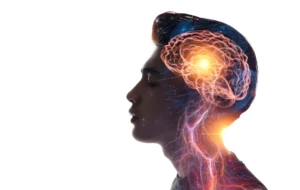
In the same way, physical exhaustion or illness can affect mood, focus, and emotional stability. When this connection is ignored, the body becomes the messenger, sending signals that something is not right. Understanding these signals allows you to respond with care rather than waiting for a breakdown.
Common Signs Your Body is Asking for Care
The body usually speaks softly at first. But when early signals are ignored, they tend to grow louder.
Fatigue or low energy: Feeling tired even after a full night’s sleep is a common sign that your body needs help. You might wake up already exhausted, struggle to get through the day, and depend on coffee or energy drinks just to function. This kind of tiredness often comes from stress or emotional overload, not just a lack of sleep.
Unexplained aches or pains: Persistent headaches, muscle pain, or body aches without a clear reason can be signs of stress. You might feel tightness or stiffness in your shoulders and neck, or notice you are clenching your jaw or grinding your teeth. These are signs that tension is building up in your body or mind over time.
Shallow breathing or heaviness in the chest: Trouble in breathing ,feeling restricted. A sense of pressure or tightness in the chest. Difficult to take a deep breath even when you are resting. This is often associated when the nervous system is under stress or when anxiety is present.
Digestive Issues: Bloating, indigestion, or an uneasy stomach without a medical cause. These symptoms often occur when you are constantly in stressful situations. When you are under constant stress, the brain takes it as a threat and goes into survival mode. In survival mode, the brain prioritises stress response over digestion. This shows how closely the gut responds to mental and emotional strain.
Emotional changes and Mood Swings: Low mood, constant irritability, or frequent mood swings can indicate that the body is overwhelmed or emotionally drained. You may feel triggered even by small things.
Sleep Disturbances: Struggling to fall asleep, waking up often or sleeping a lot but still feeling exhausted is a clear sign something is wrong. When you have overworked yourself or are mentally filled with pressure, resting no longer can make you refreshed
Constant sense of pressure or restlessness: A constant feeling of pressure, urgency, or restlessness—even when there is nothing demanding your attention—can indicate chronic stress. You may find it difficult to relax or feel calm, as if your body is always on alert.
How To Take Care of It
Rest Without Guilt: Taking rest is an essential part of your well-being. Even machines get damaged when they are made to work constantly, and our bodies are no different. Rest helps the body repair and recover. Taking short breaks in between work allows your system to reset and function better.
Pause and Notice: Have you ever had a moment where you didn’t do anything at all? Not lying on the bed scrolling through your phone, but simply doing nothing. Take a moment to scan your body and notice areas of discomfort, tension, or heaviness. Listen to your thoughts and simply acknowledge what you feel. The first step toward care is awareness.
Regulate Your Nervous System: Constant stress can cause the nervous system to stay on alert, making it difficult to relax or feel safe. Simple practices such as slow, deep breathing, guided meditation, relaxation techniques, or grounding exercises help the nervous system reset and return to balance.
Gentle Movement: Engage in simple movements and listen to what your body is capable of. The goal is not to push yourself but to release what has built up in the body. Walking without distractions, stretching, yoga or light exercises can help release tension and restore ease.
Emotional Release: Expressing what you feel is important. Journaling your thoughts and feelings can help you understand yourself better. Talking to a trusted person or expressing emotions through creativity such as art, writing, or music can help release emotional overwhelm and reduce physical stress.
Stay Hydrated and Nourished: Dehydration and irregular eating can worsen fatigue and discomfort. Nourishing your body with adequate water and balanced meals supports both physical and mental functioning.
Seek Help: Seeking help is not a weakness, and it does not mean something is wrong with you. You don’t have to manage everything on your own. Asking for support can help you understand your needs and emotions and reconnect with your body in a healthier way.
When the body has been ignored for a long time, it takes time to rebuild. Instead of trying to fix everything at once, take small steps—one thing at a time—but do it consistently.
You can ask yourself simple questions
- What do I feel right now?
- Where do I feel tension or discomfort?
- What do I need in this moment—rest, emotional release, or movement?
Understanding yourself and your needs is one of the most important things you can do
Final Thought
Learn to listen for a long term well-being it is important you have to take take care for your body and mind. Rather than resisting or ignoring ourselves, create a space for balance and healing. Sometimes care looks like stretching your shoulders, stepping outside for fresh air, or simply allowing yourself to pause. Understand that your body and mind is working for you but not against you.