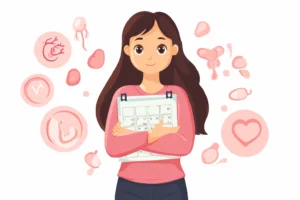
Some days during your cycle, everything feels heavier. You’re more sensitive than usual, small things irritate you, you might feel emotional for no clear reason, or your thoughts are louder than normal.
“Why am I like this?”
You’re not “like this.” You are simply in a phase during your cycle.
Your period affects not only your body but also your mind, emotions, energy, and reactions. These hormonal changes and mood shifts are real, even phases of anger, depression, and anxiety may pass through. However, it is important to be mindful of the fact that this is normal.
Why Your Emotions Feel Different
Your body goes through different phases every month, with each month having its own emotional tone.
There are times during your luteal phase, when you may feel many changes in your emotions, making you feel more sensitive, reactive, or tired, and certain things may feel overwhelming to you, although this does not make you any weaker or out of control.
Do know that all these are valid emotions.
Mind–Body Connection
Your brain and hormones are constantly communicating. When your hormone levels shift, your mood, stress response and emotional regulations shift alongside. You might overthink more, be more self-critical, or get overwhelmed easier. Understanding this connection helps you stop blaming yourself but rather support yourself.
In a typical cycle, your hormone levels of estrogen and progesterone rise and fall. These are responsible for your mood regulation, sleep and reactions.
These changes can also affect sleep quality, energy levels, and cognitive functioning, contributing to your emotional state.
Taking Care of Yourself
Your menstrual mental well-being deserves much attention as your physical comfort. Instead of pushing yourself to adjust, slow down and rest without guilt.
Strength is knowing when to pause.
You can help yourself manage stress by doing little things, like removing yourself from stressful situations, putting yourself first, getting fresh air, and talking to someone you trust; all of these things can help you operate at a higher level of efficiency.
Supporting Menstrual Mental Well-Being
Some self-care during your cycle to manage your mood swings includes the following:-
- Maintaining regular sleep cycles: Try to sleep and wake at the same time every day. A calm night routine including dim lights, less screen time and a relaxed mind, this helps your brain stabilize itself.
- Balanced nutrition: What you eat directly affects how you feel. Your body may require nutrients such as iron, magnesium and omega-3 fatty acids at such a period. This helps reduce mood swings and energy crashes.
- Light physical activity: Rather than intense workouts, gentle movement like walking, stretching or yoga helps release natural mood-lifting chemicals, improve circulation and reduce stress.
- Stress-reduction techniques: Simple practices of deep breathing and short mindfulness breaks can calm your nervous system, shifting to a relaxed state.
- Limiting caffeine: Excessive consumption can increase restlessness and mood crashes. During your cycle, your body is more sensitive to these fluctuations. Water, herbal drinks and balanced meals help stabilize yourself.
- Cognitive reframing: It is necessary to be conscious of your emotional intensity and reflect accordingly. Challenge your negative thoughts into positive ones to ensure emotional self-care.
The Role of Self-Compassion
Self-compassion reduces anxiety, depression and emotional distress. During your menstrual cycle, be kind to yourself instead of critical; this helps your brain to feel safe and regulated.
Intense emotional symptoms like severe depression, extreme anger, panic or anxiety may be linked to PMDD (Premenstrual Dysphoric Disorder). This is a medical condition that requires professional support and care.
Your cycle is a rhythm and not a problem. There will be days of energy and softness, days of clarity and sensitivity. The moment you stop fighting these emotions and start working with them, your emotional health becomes more stable, peaceful and manageable.
Conclusion
Your emotions are not something to hide or apologize for; they are signals guiding you to slow down and listen inward. When you start responding with care rather than criticism, you build a deeper, kinder relationship with yourself.
Your period is both an emotional and physical experience, you don’t have to be the same everyday rather be in tune with yourself.
This is not just wellness but also self-respect.